With rising energy costs, increasing regulatory pressure, and ambitious net-zero targets, housing providers across the UK are under more scrutiny than ever to improve the energy performance of their stock.
One of the most effective, and often essential starting points is a retrofit assessment.
But what exactly is it, and why could it save your organisation thousands, or even millions over time?
What is a Retrofit Assessment?
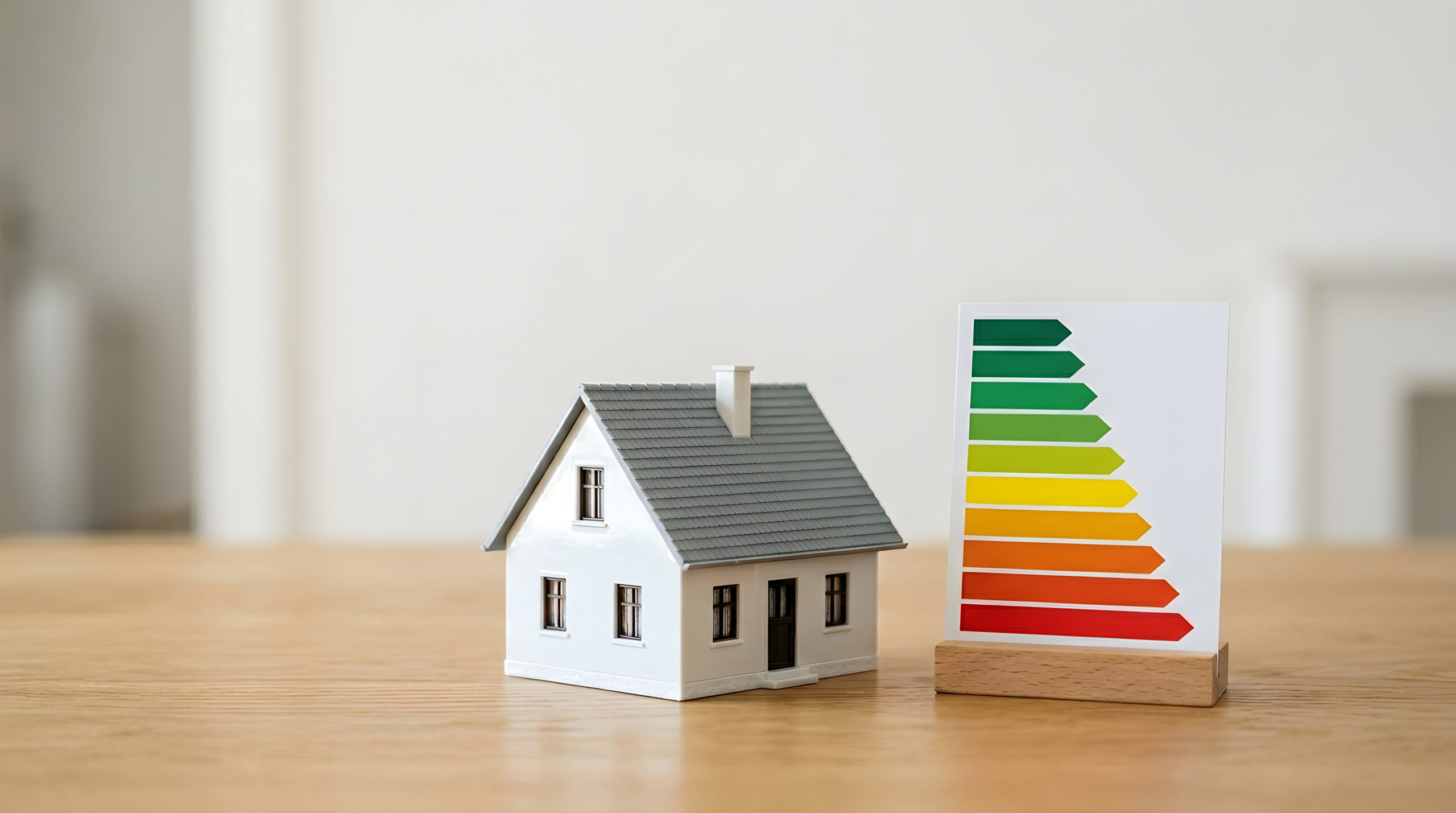
A retrofit assessment is a detailed, whole-building evaluation that identifies how a property, or portfolio of properties can be improved to enhance energy efficiency, reduce carbon emissions, and improve occupant comfort.
For housing providers, this goes beyond a simple survey. It forms part of a structured, compliant process aligned with PAS 2035, ensuring retrofit works are properly planned, risk-managed, and effective.
A retrofit assessment typically includes:
- Fabric performance (walls, roofs, floors, insulation)
- Heating systems and controls
- Ventilation and moisture risks
- Windows and doors
- Occupancy and usage patterns
- Condition of the asset
Crucially, it considers how all these elements interact, ensuring improvements work together as a system, not in isolation.
Why Retrofit Assessments Matter for Housing Providers
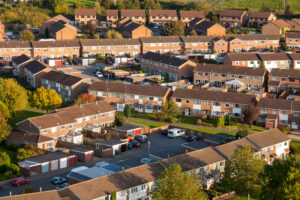
Managing large and diverse housing stock presents unique challenges. Piecemeal upgrades, replacing boilers here, adding insulation there, can lead to inconsistent results, tenant complaints, and long-term inefficiencies.
A retrofit assessment provides:
- A standardised approach across your portfolio
- A clear investment strategy aligned with EPC and net-zero targets
- Reduced risk of unintended consequences (e.g. damp, mould, overheating)
- Compliance with funding and regulatory frameworks
In short, it replaces reactive maintenance with planned, data-driven asset management.
How Retrofit Assessments Save You Thousands
1. Avoiding Failed or Ineffective Installations
Poorly planned upgrades can lead to performance gaps, tenant dissatisfaction, and costly remedial works. For example, installing insulation without addressing ventilation can increase condensation and mould risks, a growing compliance and reputational issue.
Retrofit assessments help ensure works are right first time.
2. Targeting Investment Where It Matters Most
Not all properties, or measures deliver the same return. Retrofit assessments allow housing providers to:
- Prioritise high-impact properties
- Sequence works effectively
- Avoid overspending on low-benefit upgrades
This ensures capital programmes deliver maximum value per property.
3. Unlocking Funding and Demonstrating Compliance
Many funding streams, including government-backed schemes, require a compliant retrofit process, starting with an assessment.
Without this, providers risk:
- Missing out on funding opportunities
- Delays in programme delivery
- Non-compliance with PAS 2035 requirements
A retrofit assessment ensures you’re funding-ready and audit-ready.
4. Reducing Long-Term Maintenance and Complaint Costs
Energy inefficiency is closely linked to tenant complaints, particularly around cold homes and damp/mould issues.
By addressing root causes through a coordinated retrofit strategy, providers can:
- Reduce reactive maintenance costs
- Lower complaint volumes
- Improve tenant satisfaction and wellbeing
5. Supporting Net Zero and Regulatory Targets
With tightening standards such as EPC C requirements and net-zero commitments, retrofit is no longer optional.
A retrofit assessment provides a clear roadmap to:
- Improve EPC ratings across stock
- Reduce carbon emissions
- Plan long-term investment cycles
What Happens After the Assessment?
Following the assessment, housing providers receive a retrofit plan (or improvement pathway), outlining:
- Recommended measures by property or archetype
- Cost estimates and potential savings
- Phased delivery strategies
- Risk considerations and dependencies
This allows asset managers to integrate retrofit into wider planned maintenance and capital works programmes.
Is a Retrofit Assessment Worth It?
For housing providers, it’s not just worth it, it’s essential.
The upfront cost is minimal compared to the potential savings achieved through:
- Avoided rework
- Smarter investment decisions
- Access to funding
- Reduced operational costs
More importantly, it provides the strategic clarity needed to manage large-scale retrofit programmes effectively.
Final Thoughts
A retrofit assessment is the foundation of any successful decarbonisation strategy for housing providers. It ensures that every pound invested delivers measurable impact, financially, environmentally, and socially.
In a landscape of rising costs and increasing regulation, that insight doesn’t just add value, it protects it.
If you’re a housing provider looking to plan or scale your retrofit programme, our team can support you with compliant assessments and tailored strategies that align with your asset management goals.